 Jam Scott
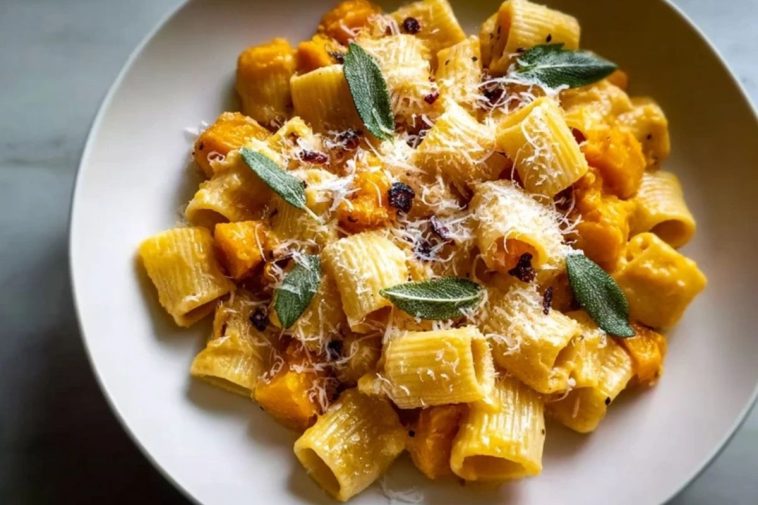

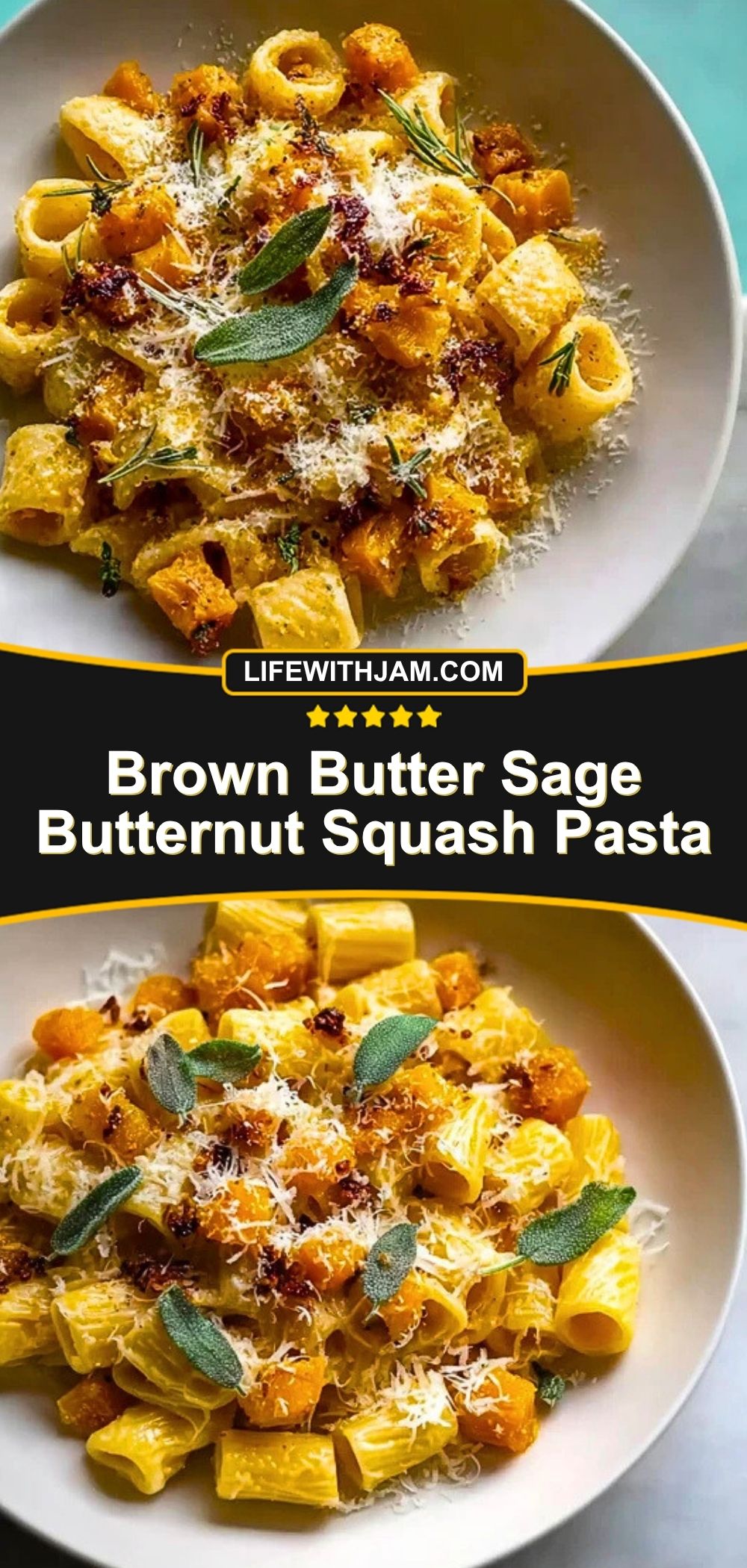
Cozy up to a bowl of autumn comfort with this Brown Butter Sage Butternut Squash Pasta. It’s the kind of dish that feels like a warm hug on a crisp evening — creamy, savory, nutty, and just sweet enough from the caramelized squash. Rich browned butter wraps around tender pasta, mingled with golden butternut cubes and crispy sage for a dish that tastes as good as it looks.
What really makes this pasta shine is the simplicity. With just a few wholesome ingredients, you get layers of flavor: earthy sage, slightly sweet squash, sharp Parmesan, and the deep nutty undertones of browned butter. It’s hearty enough for a main course but elegant enough to impress guests at a dinner party.
What Kind of Pasta Should I Use?
Short pasta shapes like rigatoni or penne are ideal for this recipe. Their ridges and hollows grab onto the velvety sauce and bits of roasted squash, ensuring every bite is full of flavor. Avoid long pastas like spaghetti—they just don’t hold the sauce and squash as well.

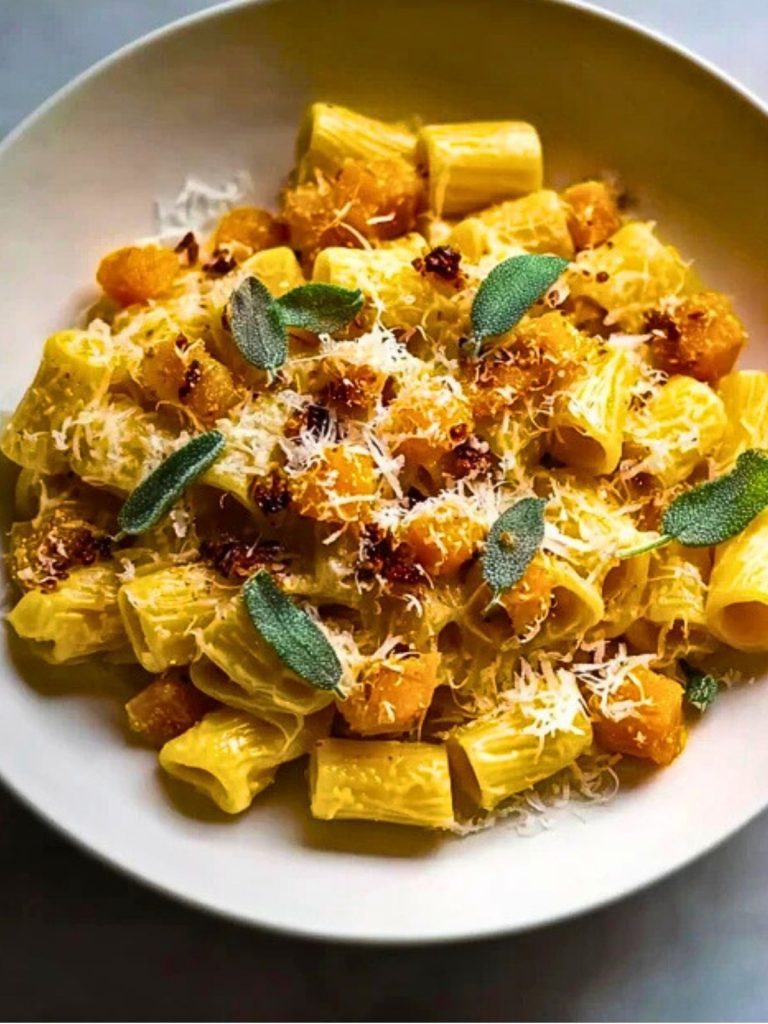
Ingredients for the Brown Butter Sage Butternut Squash Pasta
Butternut Squash – This is the star of the show. When roasted, it becomes golden and tender with just the right amount of sweetness.
Butter – Browning it transforms the flavor into something nutty and rich, providing a luxurious base for the sauce.
Fresh Sage Leaves – These get crispy in the browned butter, adding herbal depth and a slight crunch to each forkful.
Pasta (Rigatoni or Penne) – The ideal shape to catch every drop of sauce and cube of squash.
Parmesan Cheese – Freshly grated, it melts into the butter and squash for a creamy, salty finish.
Salt and Pepper – Essential for bringing out all the natural flavors.
Olive Oil – Helps the squash caramelize beautifully when roasted.
How To Make the Brown Butter Sage Butternut Squash Pasta
Step 1: Roast the Butternut Squash
Preheat your oven to 400°F (200°C). Peel and cube the butternut squash into bite-sized pieces. Toss the cubes in olive oil, salt, and pepper, then spread them evenly on a baking sheet. Roast for 25-30 minutes or until tender and lightly caramelized, flipping halfway through.
Step 2: Cook the Pasta
While the squash roasts, bring a large pot of salted water to a boil. Add the rigatoni (or your pasta of choice) and cook according to the package directions until al dente. Reserve about 1/2 cup of pasta water, then drain the pasta and set aside.
Step 3: Make the Brown Butter Sage Sauce
In a large skillet over medium heat, add the butter and let it melt. Add the sage leaves and cook until the butter begins to brown and smell nutty, and the sage gets crispy—about 4-5 minutes. Stir constantly to prevent burning.
Step 4: Combine Everything
Add the roasted squash and cooked pasta to the skillet with the brown butter. Gently toss everything together, adding a bit of reserved pasta water if needed to loosen the sauce. Finish with freshly grated Parmesan, salt, and pepper to taste.
Step 5: Serve It Up
Serve hot with more Parmesan and a few crispy sage leaves on top for garnish. Enjoy your cozy, golden bowl of fall comfort!
Serving and Storing Brown Butter Sage Butternut Squash Pasta
This pasta is best served hot, straight from the skillet. The sauce is at its silkiest and the squash its sweetest right after combining. If you’re entertaining, garnish with extra Parmesan and a few whole crispy sage leaves for a restaurant-worthy presentation.
To store leftovers, allow the pasta to cool completely and transfer it to an airtight container. It keeps well in the fridge for up to 3 days. When reheating, add a splash of water or a bit more butter to revive the sauce. Avoid microwaving for too long to preserve the texture of the squash.
Frequently Asked Questions
How do I brown butter properly?
Use a light-colored skillet so you can see the color change. Once the butter foams and then turns golden with brown flecks, it’s ready. It should smell nutty and fragrant. Remove from heat immediately to prevent burning.
Can I use frozen butternut squash?
Yes, but make sure to thaw and pat dry thoroughly before roasting. It won’t caramelize quite the same as fresh, but it works in a pinch.
What’s a good substitute for sage?
Thyme or rosemary can work well here. They have different flavor profiles, but both bring an earthy quality that complements the squash.
Is this recipe vegetarian?
Yes, it is! Just be sure to use a vegetarian Parmesan or a hard cheese labeled as such.
Can I add protein to this dish?
Absolutely. Crispy pancetta, browned Italian sausage, or even grilled chicken pair beautifully with the flavors here.
Can this be made ahead of time?
You can roast the squash and brown the butter in advance, then reheat and toss with freshly cooked pasta before serving.
Want More Pasta Ideas with Fall Flavor?
If you’re savoring this Brown Butter Sage Butternut Squash Pasta, don’t miss these other comfort-packed pasta recipes that bring cozy vibes to your table:
• One-Pot Creamy Beef and Garlic Butter Pasta for a rich, meaty twist.
• Creamy Garlic Parmesan Tortellini with Sausage and Broccoli to load up your fork with flavor and greens.
• Skillet Ricotta Pasta with Roasted Broccoli for a lighter option that still satisfies.
• Cheesesteak Tortellini in Rich Provolone Sauce when you want cheesy indulgence.
• Creamy Alfredo Lasagna Soup if you’re in the mood for pasta in spoonable form.
Save This Pin + Share Your Results
📌 Save this recipe to your Pinterest pasta board so you can revisit it anytime you need a quick, cozy dinner idea.
And let me know in the comments how yours turned out. Did you roast your squash extra caramelized? Try adding pancetta or switching up the herbs?
I love seeing your kitchen spins on these dishes. Questions are always welcome too—let’s make the comments section a space for sharing tips and flavor inspiration.
More fall-ready meals and daily favorites are always up on my Pinterest – Life with Jam.
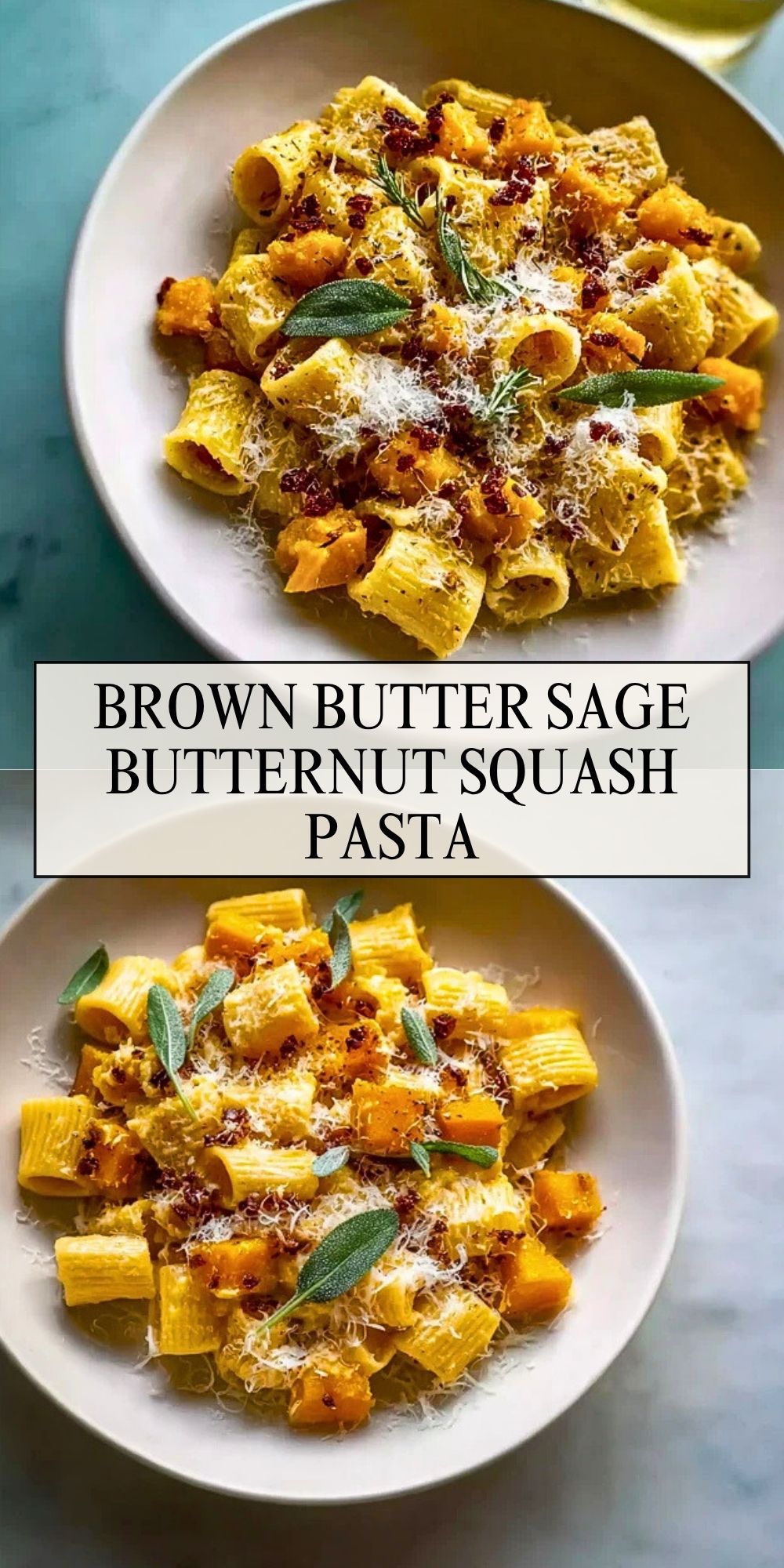
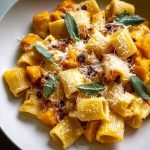
Brown Butter Sage Butternut Squash Pasta
- Total Time: 40 minutes
- Yield: 4 servings
- Diet: Vegetarian
Description
A cozy fall pasta featuring caramelized butternut squash, nutty browned butter, crispy sage, and Parmesan tossed with al dente rigatoni. This comforting dish is both simple and elegant—perfect for weeknights or entertaining.
Ingredients
2 cups butternut squash, peeled and cubed
2 tablespoons olive oil
1 teaspoon salt
1/2 teaspoon black pepper
8 ounces rigatoni or penne pasta
4 tablespoons unsalted butter
8 fresh sage leaves
1/2 cup grated Parmesan cheese
1/2 cup reserved pasta water (as needed)
Instructions
1. Preheat oven to 400°F (200°C). Toss butternut squash with olive oil, salt, and pepper. Spread on a baking sheet and roast for 25–30 minutes, flipping halfway, until golden and tender.
2. While squash roasts, cook pasta in salted boiling water until al dente. Reserve 1/2 cup pasta water, then drain.
3. In a skillet over medium heat, melt butter. Add sage leaves and cook, stirring, until butter browns and sage crisps (4–5 minutes). Remove from heat immediately.
4. Add roasted squash and cooked pasta to the skillet. Toss gently to combine. Add a splash of pasta water if needed to loosen the sauce.
5. Stir in grated Parmesan. Season with salt and pepper to taste. Serve warm with extra cheese and sage for garnish.
Notes
Use a light-colored skillet to monitor butter browning better.
Don’t overcrowd the squash on the pan—spread it in a single layer for best caramelization.
Add protein like pancetta or chicken for extra heartiness.
- Prep Time: 10 minutes
- Cook Time: 30 minutes
- Category: Main Course
- Method: Stovetop, Roasted
- Cuisine: American, Italian-Inspired
Nutrition
- Serving Size: 1 bowl
- Calories: 410
- Sugar: 4g
- Sodium: 350mg
- Fat: 18g
- Saturated Fat: 9g
- Unsaturated Fat: 8g
- Trans Fat: 0g
- Carbohydrates: 48g
- Fiber: 4g
- Protein: 13g
- Cholesterol: 30mg