 Jam Scott
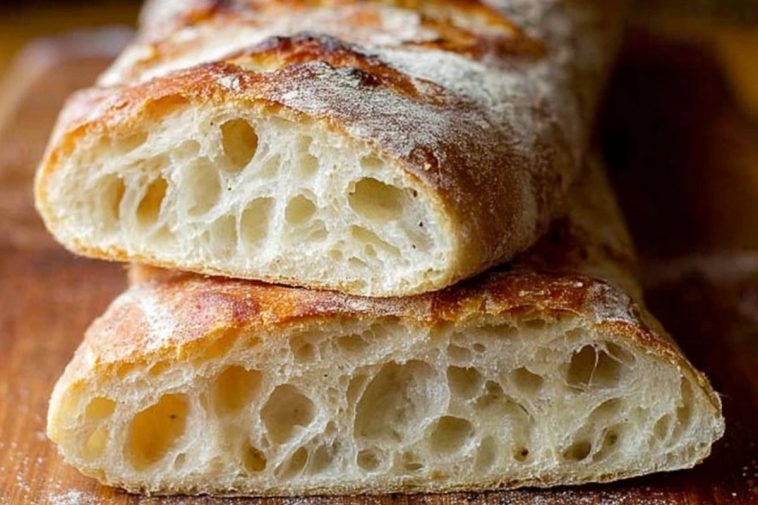

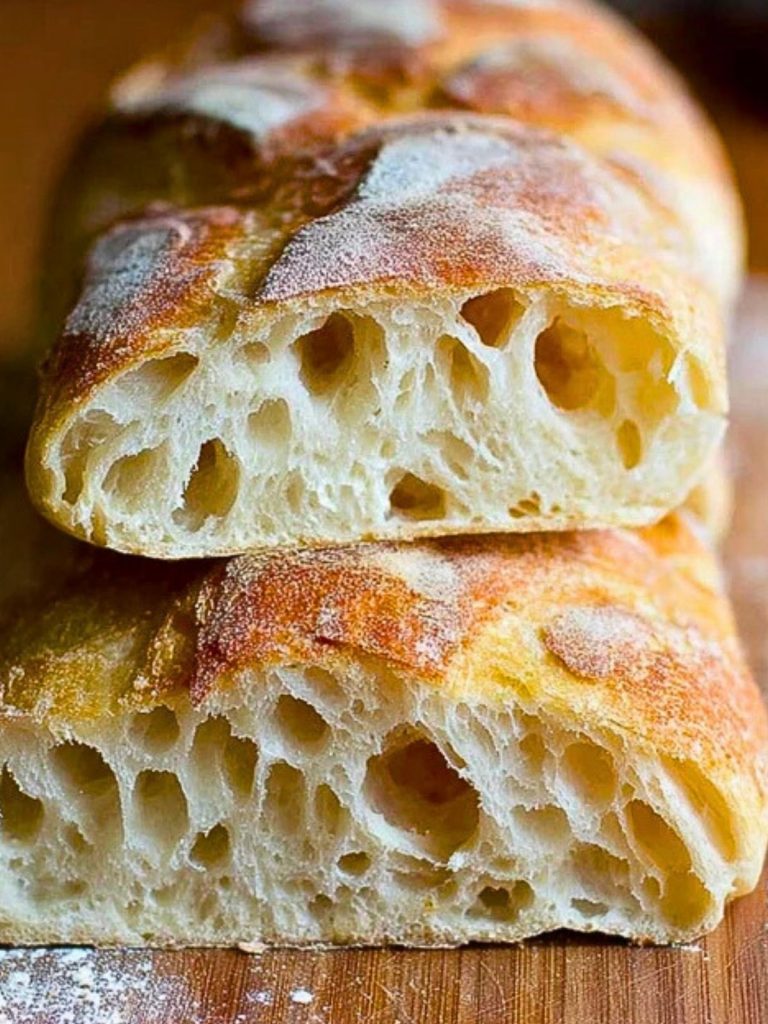
A well-made loaf of ciabatta bread is the kind of thing that makes a simple meal feel gourmet. Its signature crispy crust and light, airy interior are perfect for sandwiches, dipping in olive oil, or sopping up the last bit of soup in your bowl. The open crumb structure and golden, rustic finish give ciabatta that artisan-bakery vibe, right from your own oven.
This recipe is ideal for home bakers who love a hands-off dough with a big reward. While it takes a bit of time due to fermentation, the actual work involved is minimal. What you get is a beautifully chewy, crackly loaf that elevates even the simplest dish. Think grilled cheese, bruschetta, or just good butter.
What Kind of Flour Should I Use?
For authentic ciabatta, bread flour is the best choice. It’s higher in protein than all-purpose flour, which is essential for building the gluten structure that gives ciabatta its airy holes. While you can use all-purpose in a pinch, you won’t get that same chewy bite or open texture. Some bakers even like to blend bread flour with a little whole wheat flour for a nutty undertone, but that’s optional.

Ingredients for the Ciabatta Bread
- Bread Flour – This forms the structure of the bread, providing the protein needed for elasticity and that iconic airy crumb.
- Water – Hydration is key in ciabatta. The high water content (this is a very wet dough!) is what creates those glorious air pockets inside.
- Yeast – You can use active dry or instant yeast. This is what gives the bread rise and helps build flavor during the fermentation stage.
- Salt – Don’t skip this. Salt enhances the flavor and helps strengthen the gluten.
- Olive Oil – While not always used in traditional ciabatta, a touch of olive oil helps keep the crumb soft and adds flavor.
How To Make the Ciabatta Bread
Step 1: Mix the Wet Dough
In a large bowl, mix the flour, yeast, and salt together. Add water and olive oil, and stir with a wooden spoon or spatula until no dry flour remains. The dough will be shaggy and sticky—that’s exactly what you want.
Step 2: Stretch and Fold
Instead of kneading, ciabatta dough benefits from a series of stretch-and-folds. Over the next 2 hours, perform 3 sets of folds every 30-45 minutes. To do this, wet your hands, grab one side of the dough, stretch it upward, and fold it over. Rotate the bowl and repeat on all four sides.
Step 3: Bulk Ferment
Cover the bowl with plastic wrap or a damp towel and let the dough rise at room temperature until it has doubled—about 1.5 to 2 hours, depending on your kitchen temperature.
Step 4: Shape with Care
Flour your work surface generously. Gently tip out the dough and handle it with care—do not punch it down. Use a bench scraper to divide it into two or three equal pieces. Gently stretch each piece into a rectangular shape, trying not to deflate the air bubbles.
Step 5: Final Rise
Place the shaped loaves on a parchment-lined baking sheet or couche. Cover and let them rise for 45–60 minutes. Preheat your oven to 450°F (230°C) during this time.
Step 6: Bake with Steam
Bake for 20–25 minutes, until golden brown and hollow-sounding when tapped. For extra crustiness, add steam to your oven—either by placing a tray of hot water on the bottom rack or spritzing the oven walls with water right after loading the bread.
How to Serve and Store Ciabatta Bread
Fresh ciabatta is heavenly the day it’s baked. Serve it warm with olive oil and balsamic vinegar, use it for pressed panini sandwiches, or make next-level garlic bread. It’s versatile enough to go from breakfast toast to a rustic side for hearty stews.
To store, let the bread cool completely, then wrap it loosely in a paper bag or a kitchen towel to preserve the crust. It will stay fresh for 1–2 days at room temperature. For longer storage, freeze the loaves tightly wrapped for up to 2 months. Reheat in a hot oven to bring back the crusty magic.
Frequently Asked Questions
What makes ciabatta different from other breads?
Ciabatta stands out for its high hydration, open crumb structure, and chewy, crackly crust. It’s wetter than most doughs, which gives it that classic holey texture.
Can I make ciabatta without a stand mixer?
Absolutely. This recipe is designed to be mixed by hand. The stretch-and-fold technique replaces the need for a mixer.
Why is my dough so sticky?
It’s supposed to be! Ciabatta dough is very wet. Resist the urge to add more flour or over-handle it. Wet your hands and use a bench scraper when needed.
Can I use sourdough starter instead of yeast?
Yes, ciabatta can be made with a sourdough starter. You’ll need to adjust the hydration and fermentation time, but the result will have a deeper, tangier flavor.
How do I get those big holes in the bread?
Use bread flour, keep the dough hydrated, and be gentle when shaping. Avoid degassing the dough and let it rise fully.
Want More Bread Ideas?
If you’re into homemade breads with character, you’ll love these comforting and unique creations from Life With Jam:
- Old-Fashioned Egg Custard Pie for a nostalgic, silky-smooth dessert.
- Condensed Milk Snow Cookies for a melt-in-your-mouth holiday treat.
- Blueberry Lemon Dutch Baby for a brunch-worthy skillet pancake.
- Shamrock Mint Milkshake Pie if you’re craving a cool mint twist.
- Caramel Cheesecake Cookies for an ooey-gooey indulgence.
Save This Pin + Share Your Results
📌 Save this recipe to your Pinterest bread board so it’s ready when you need an impressive loaf without the stress.
Tried this ciabatta at home? Let me know how it went! Did you add rosemary? Use it for sandwiches or toast? I’d love to hear your take.
Share your baking wins and questions in the comments—let’s make bread baking a little more joyful, one loaf at a time.
And for more fresh, daily recipes and cooking inspiration, follow me on Pinterest @hallarecipes.
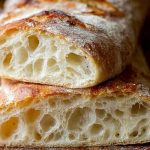
Ciabatta Bread
- Total Time: 3 hours
- Yield: 2 to 3 loaves
- Diet: Vegetarian
Description
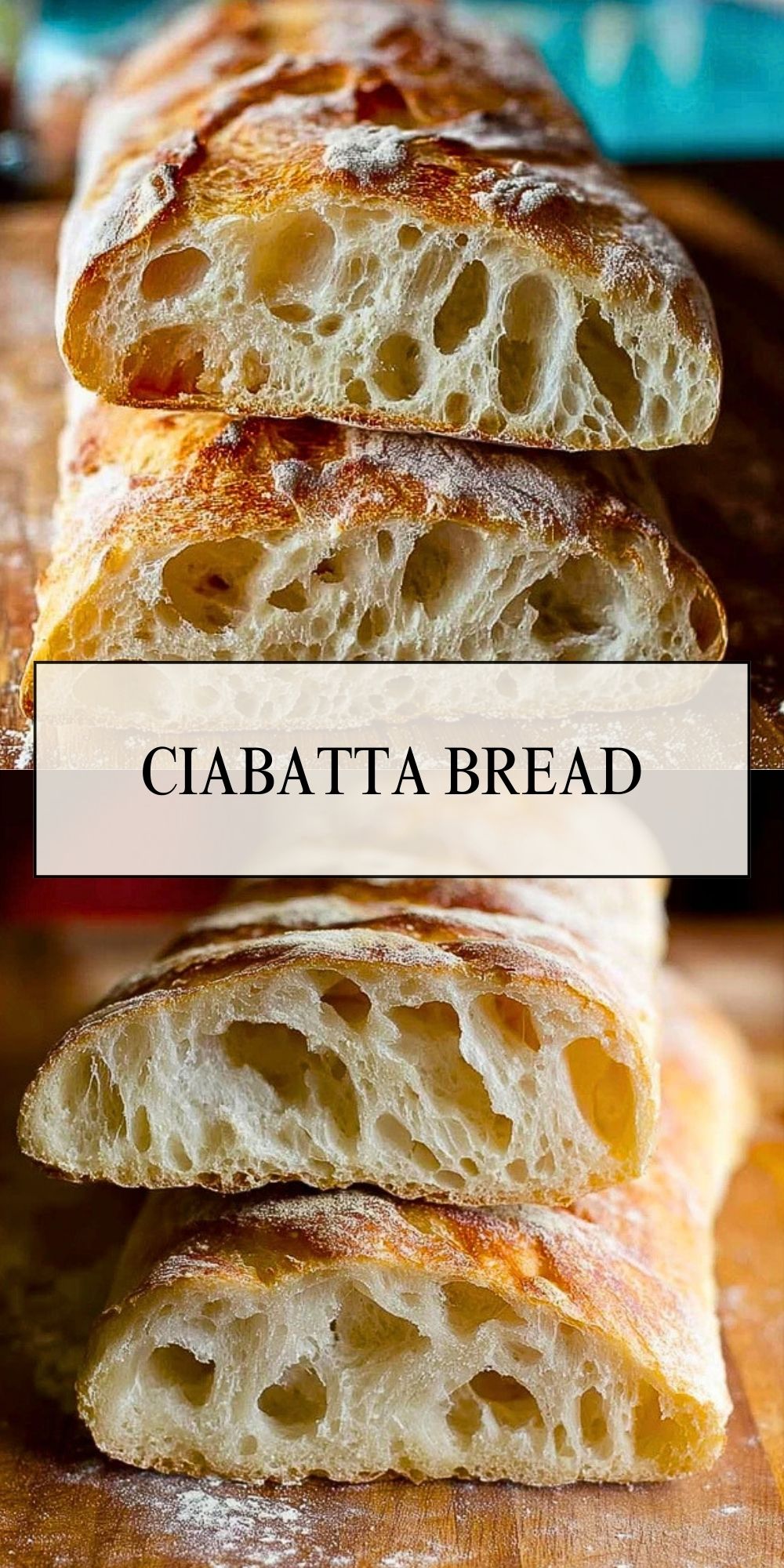
This homemade ciabatta bread delivers a golden crust and airy interior with minimal hands-on work. Perfect for sandwiches, dipping, or enjoying warm with butter, this artisan-style loaf uses a high-hydration dough and simple ingredients to create bakery-level results right from your kitchen.
Ingredients
500 g bread flour
400 ml water
2 tsp active dry yeast or instant yeast
2 tsp salt
1 tbsp olive oil
Instructions
1. In a large bowl, combine flour, yeast, and salt. Add water and olive oil, mixing until no dry bits remain. Dough will be sticky.
2. Let the dough rest for 30 minutes. Then perform a set of stretch and folds: lift one edge, stretch it up, fold it over. Rotate and repeat on all four sides.
3. Repeat the stretch and fold process 2 more times, spaced 30–45 minutes apart.
4. Cover the dough and let it rise at room temperature for 1.5–2 hours, or until doubled in size.
5. Flour your work surface well. Gently tip out the dough and divide it into two or three rectangular pieces using a bench scraper.
6. Transfer the shaped loaves to parchment-lined baking trays. Cover and let rise for 45–60 minutes.
7. Preheat the oven to 450°F (230°C). If possible, place a tray of hot water in the oven to create steam.
8. Bake for 20–25 minutes or until golden brown and hollow-sounding when tapped.
9. Let cool before slicing and serving.
Notes
Wet dough is key: do not add extra flour even if it feels sticky. Wet hands help with handling.
Avoid deflating the dough when shaping—this preserves those airy holes.
To get a crackly crust, bake with steam by adding a pan of water in the oven or misting the walls.
- Prep Time: 15 minutes
- Cook Time: 25 minutes
- Category: Bread
- Method: Baked
- Cuisine: Italian
Nutrition
- Serving Size: 1 slice (1/12 of recipe)
- Calories: 160
- Sugar: 0.2 g
- Sodium: 390 mg
- Fat: 2 g
- Saturated Fat: 0.3 g
- Unsaturated Fat: 1.7 g
- Trans Fat: 0 g
- Carbohydrates: 31 g
- Fiber: 1.2 g
- Protein: 5.5 g
- Cholesterol: 0 mg