 Jam Scott
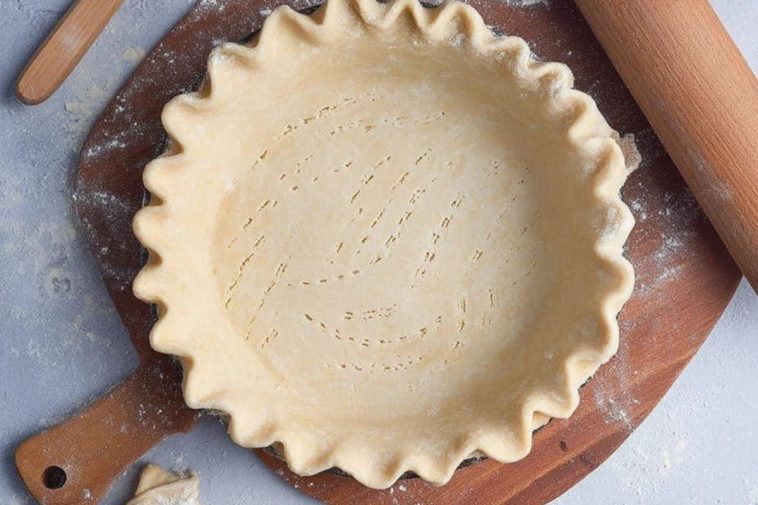

If you’ve ever admired those perfectly golden, buttery crusts at your favorite bakery and wondered how to recreate them at home, this is the recipe you’ve been looking for. This bakery-style pie crust is all about texture—light, flaky layers that shatter under your fork and cradle your favorite fillings like a dream. Whether you’re crafting a fruit pie, a custard tart, or a savory quiche, this crust elevates every bite.
What sets this pie crust apart is the technique. We’re not just tossing butter into flour—we’re carefully layering and chilling to develop structure and flakiness. It’s the kind of recipe that rewards attention to detail but doesn’t demand perfection. And once you master it, you may never reach for store-bought crusts again.
What Kind of Butter Should I Use?
The key to that irresistible bakery-style flakiness lies in the butter. You want to use unsalted, high-fat European-style butter (think 82% or more butterfat). This type of butter yields a richer taste and more distinct layers when baked. Cut it into small cubes and keep it cold right until you blend it into the dough.
If European-style butter isn’t available, don’t worry—regular unsalted butter will still get you delicious results. Just make sure it’s very cold and handle it as little as possible.

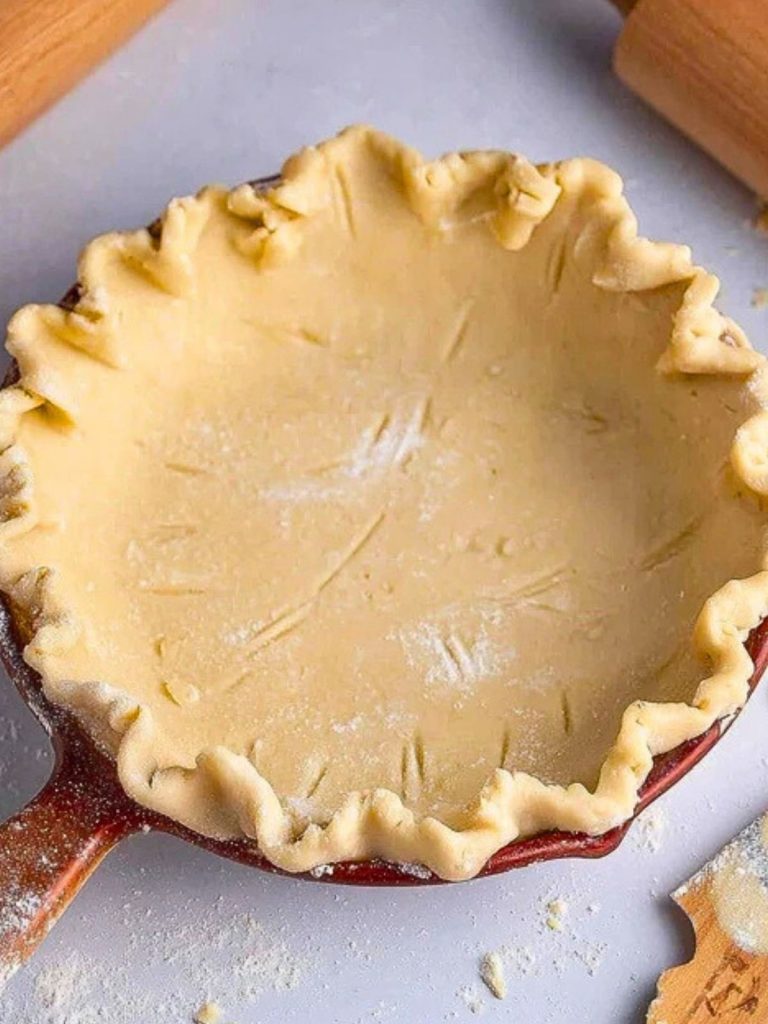
Ingredients for The Flakiest Bakery-Style Pie Crust
- All-purpose flour – The base structure of the crust. Choose unbleached if you can for the best texture.
- Unsalted butter – Preferably European-style for maximum flakiness and flavor.
- Salt – Just enough to balance the butter and enhance flavor.
- Granulated sugar – A pinch adds a subtle sweetness and encourages browning.
- Ice water – Keeps the butter cold and helps bind the dough without making it sticky.
- Optional: Vinegar or vodka – A tablespoon can help prevent gluten formation, keeping the crust tender.
How To Make the Flakiest Bakery-Style Pie Crust
Step 1: Measure and Chill Your Ingredients
Start by measuring out your flour, salt, and sugar into a large mixing bowl. Cut the butter into small cubes and place it in the freezer for 10 minutes. You want everything icy cold before combining.
Step 2: Blend the Butter Into the Flour
Use a pastry cutter or your fingertips to blend the cold butter into the flour mixture. Work quickly and stop when the butter pieces are pea-sized. These little pockets are what give the crust its flake.
Step 3: Add the Ice Water Gradually
Drizzle in the ice water, one tablespoon at a time, stirring with a fork or your hand. You want the dough to just come together—slightly shaggy but not wet. Press it gently into a ball.
Step 4: Chill the Dough
Divide the dough in two, flatten into discs, and wrap tightly in plastic wrap. Chill for at least one hour (or overnight) to let the gluten relax and the butter firm up again.
Step 5: Roll and Shape
Lightly flour your work surface and roll the dough out from the center, turning often to prevent sticking. Transfer to your pie plate, trim excess, and crimp the edges as desired. Chill again for 15 minutes before baking.
Step 6: Bake to Golden Perfection
Follow your pie recipe for baking instructions—some will call for blind baking, others for filled bakes. Either way, you’re in for a buttery, bakery-worthy crust.
How to Serve and Store This Pie Crust
This pie crust bakes up beautifully for both sweet and savory dishes. Serve it warm with a scoop of ice cream for dessert pies, or chilled with creamy fillings for a more elegant presentation.
To store, wrap unbaked dough tightly and refrigerate for up to 3 days or freeze for up to 3 months. If already baked, the crust will stay crisp in an airtight container at room temperature for 2 days or refrigerated for up to 5.
Frequently Asked Questions
How do I prevent my pie crust from shrinking?
Be sure to chill the dough before baking and avoid stretching it to fit the pan. Let it rest in the pie dish before baking to relax the gluten.
Can I use a food processor instead of mixing by hand?
Yes, but pulse gently. Over-processing leads to a tough crust. Stop when the butter is still visible in small chunks.
What does the vinegar or vodka do?
It inhibits gluten development, which helps keep the crust tender without making it soggy.
Can I make this recipe gluten-free?
Yes, substitute a gluten-free all-purpose blend. Choose one with xanthan gum for best results, and expect a more delicate roll-out.
Should I blind bake this crust?
For custard or cream pies, yes. Blind baking ensures a crisp bottom that won’t turn soggy.
Why does my crust crack when rolling?
It may be too cold. Let it sit at room temperature for a few minutes before rolling again.
Want More Pie Ideas?
If you love The Flakiest Bakery-Style Pie Crust, you’ll probably enjoy these other favorites:
- Old-Fashioned Egg Custard Pie for a creamy, nostalgic finish.
- Shamrock Mint Milkshake Pie if you love a fun seasonal twist.
- Lemon Raspberry Swirl Cheesecake Cups when you want individual creamy treats.
- Blueberry Lemon Dutch Baby for a brunch-worthy alternative.
- Condensed Milk Snow Cookies when you need a crisp bite with a hint of sweetness.
Save This Pin + Share Your Results
📌 Save this recipe to your Pinterest baking board so you can come back to it any time: Life with Jam on Pinterest.
And let me know in the comments how your pie crust turned out. Did you use vodka, or skip it? Did you try this crust for a savory pie?
I love hearing how others make these recipes their own. Questions are welcome too—let’s help each other bake smarter.
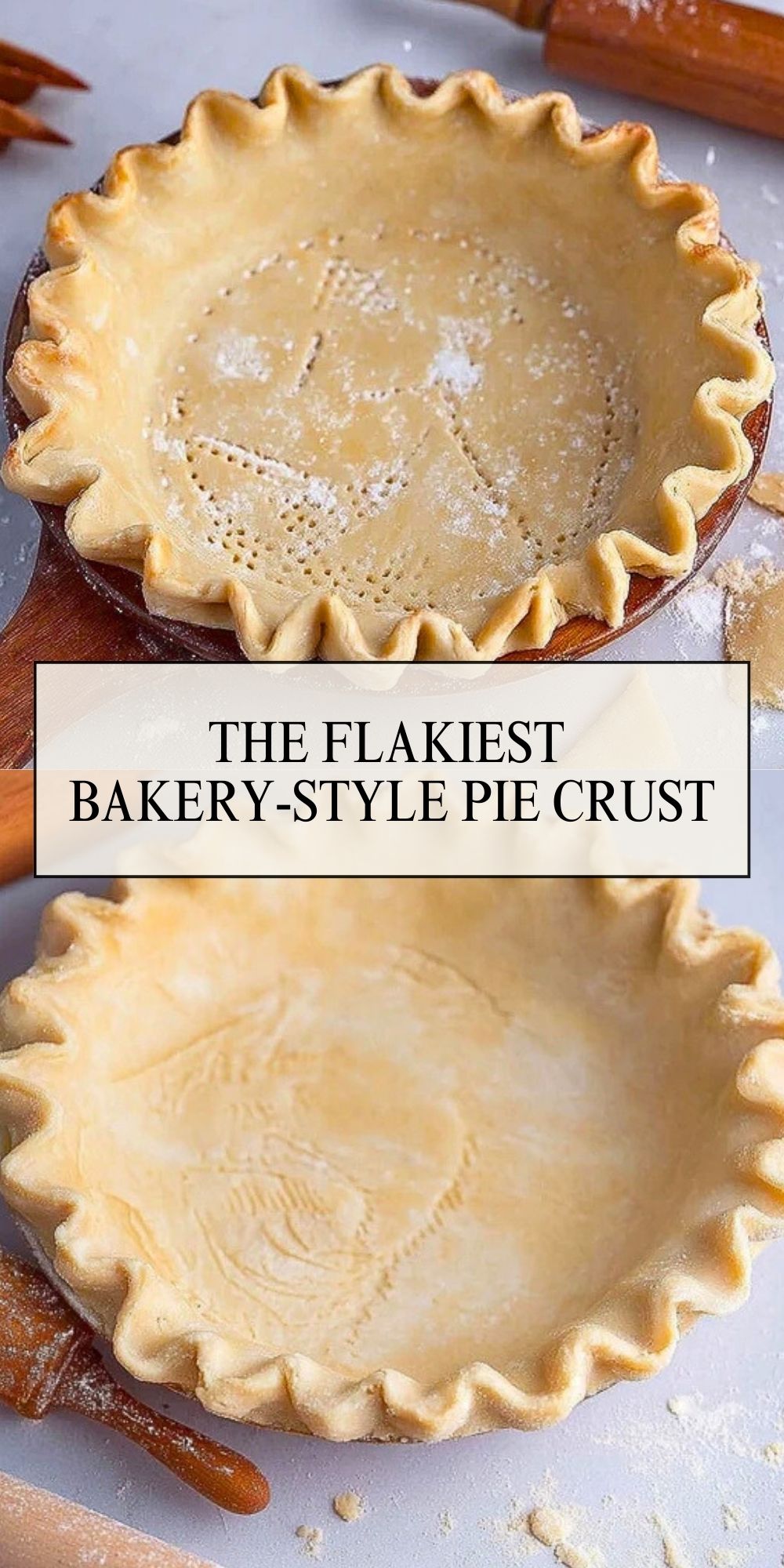
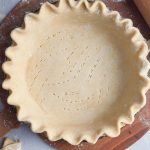
The Flakiest Bakery-Style Pie Crust
- Total Time: 1 hour 20 minutes
- Yield: 1 double crust or 2 single crusts
- Diet: Vegetarian
Description
This bakery-style pie crust is ultra-flaky, buttery, and golden—perfect for both sweet and savory pies. Made with cold butter and simple ingredients, it bakes into layers of delicate crispiness you can actually see. With this foolproof recipe, you’ll never buy store-bought crust again.
Ingredients
1 1/4 cups all-purpose flour
1/2 cup unsalted butter, cold and cubed
1/2 teaspoon salt
1 teaspoon granulated sugar
3 to 5 tablespoons ice water
1 tablespoon vodka or vinegar (optional)
Instructions
1. Measure the flour, salt, and sugar into a large bowl.
2. Cube the butter and freeze for 10 minutes.
3. Cut the butter into the flour using fingertips or a pastry cutter until pea-sized.
4. Add ice water one tablespoon at a time, mixing just until the dough comes together.
5. Divide into two discs, wrap in plastic wrap, and chill for at least 1 hour.
6. Roll out on a floured surface, turning often to prevent sticking.
7. Fit into a pie dish, trim and crimp the edges.
8. Chill again for 15 minutes before baking.
9. Bake according to your pie filling instructions—blind bake if needed.
Notes
For best flakiness, don’t overwork the dough—visible chunks of butter are good.
Let dough rest at room temp for 5–10 minutes if it’s cracking while rolling.
Blind bake with pie weights for custard or cream pies to prevent soggy crusts.
- Prep Time: 20 minutes
- Cook Time: 0 minutes
- Category: Pie Crust
- Method: Baking
- Cuisine: American
Nutrition
- Serving Size: 1 slice (1/8 of double crust)
- Calories: 210
- Sugar: 1g
- Sodium: 105mg
- Fat: 15g
- Saturated Fat: 10g
- Unsaturated Fat: 4g
- Trans Fat: 0g
- Carbohydrates: 15g
- Fiber: 1g
- Protein: 2g
- Cholesterol: 41mg