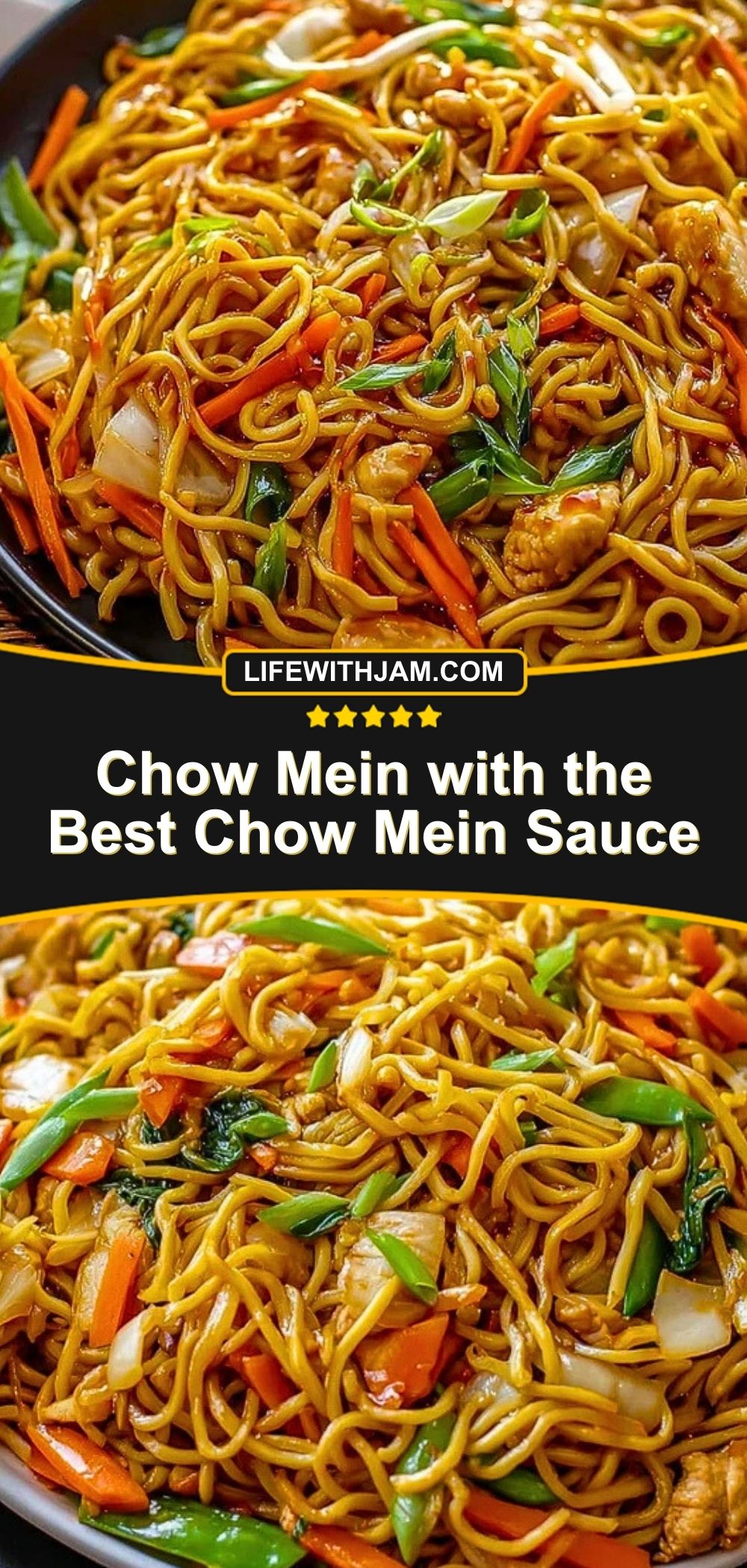
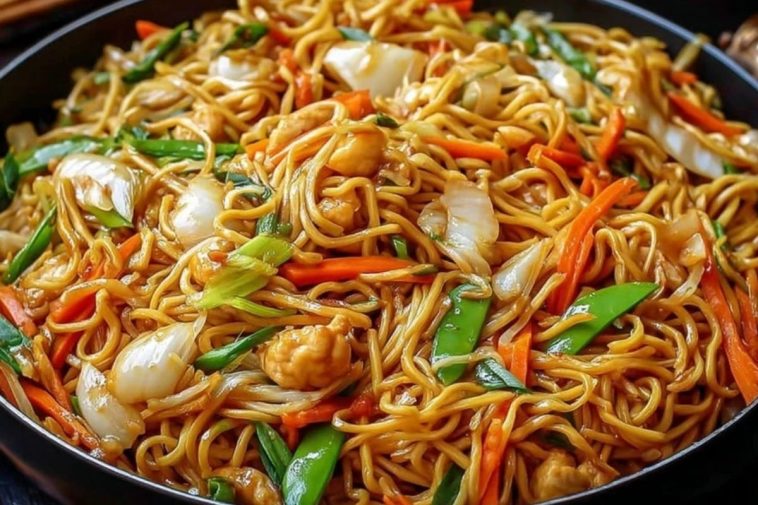

Golden noodles tossed in a glossy, savory sauce and mixed with crisp-tender vegetables — Chow Mein is comfort food at its best. This homemade version hits every mark: salty, slightly sweet, umami-packed, and customizable. Whether you’re whipping this up for a quick weeknight dinner or serving it as a party favorite, it’s guaranteed to become a repeat request.
What makes this Chow Mein recipe truly irresistible is the sauce. It’s a balanced blend that clings to every noodle strand, turning humble ingredients into something downright crave-worthy. And the best part? You don’t need a wok to nail it. A skillet or wide pan will work just fine.
What Kind of Noodles Should I Use for Chow Mein?
For authentic texture and flavor, look for fresh or dried Chow Mein noodles, often found in the refrigerated or international aisle of many grocery stores. They cook quickly and soak up sauce beautifully. If you’re in a pinch, spaghetti or ramen noodles can work as substitutes—just be sure not to overcook them. The key is chewiness, not mush.
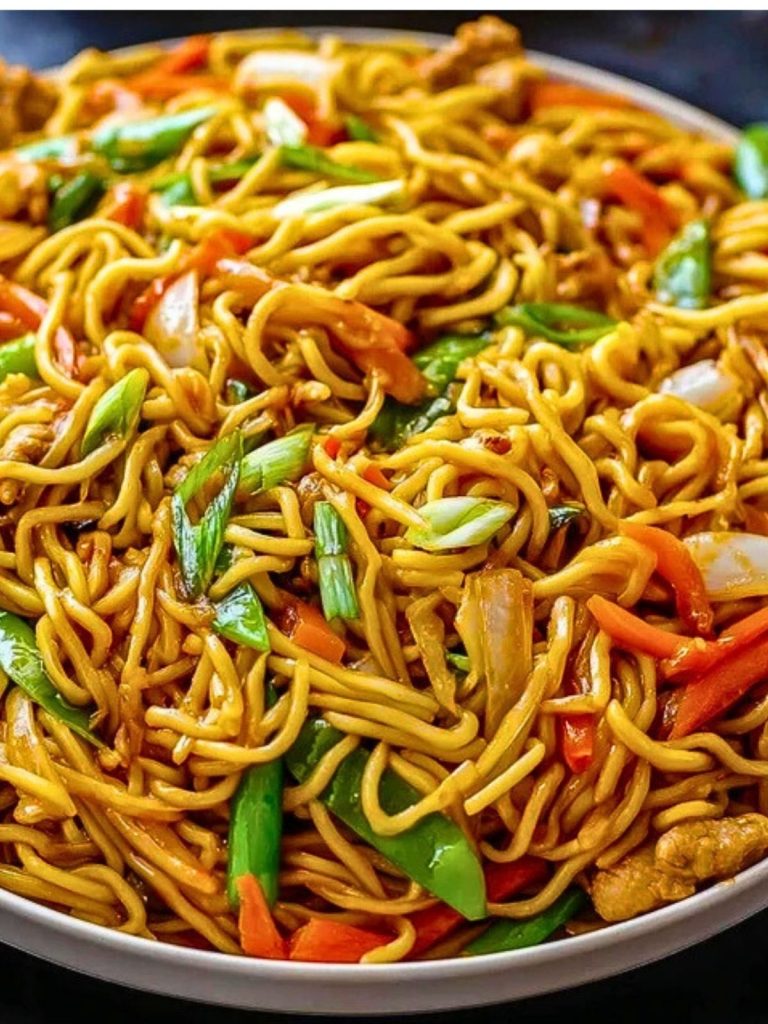
Ingredients for the Chow Mein with the Best Chow Mein Sauce
Chow Mein Noodles – The foundation of this dish. Their slightly chewy texture pairs perfectly with the sauce and stir-fried veggies.
Cabbage – Brings a subtle sweetness and slight crunch that balances out the salty sauce.
Carrots – Adds color, texture, and a touch of natural sweetness to the mix.
Snow Peas – Their snap adds freshness and a pleasant contrast to the noodles.
Green Onions – Used both in cooking and garnish, they offer a pop of flavor and color.
Garlic – Essential for building depth and aroma in the stir-fry base.
Soy Sauce – The salty backbone of the chow mein sauce.
Oyster Sauce – Adds a deep, rich umami that sets the sauce apart.
Sesame Oil – Just a drizzle brings nutty aroma and warmth to the finished dish.
Sugar – Balances the saltiness of the soy and oyster sauces.
Chicken or Tofu (Optional) – For added protein. Marinate lightly or stir-fry before mixing in.
Vegetable Oil – High-smoke-point oil perfect for quick, high-heat stir-frying.
How To Make the Chow Mein with the Best Chow Mein Sauce
Step 1: Prep Your Ingredients
Start by slicing the vegetables: shred the cabbage, julienne the carrots, trim the snow peas, and chop the green onions. If you’re using chicken or tofu, slice it into bite-sized pieces. Have everything ready to go before cooking—this recipe moves fast!
Step 2: Cook the Noodles
Boil the chow mein noodles according to package directions. Drain and rinse under cold water to stop the cooking process, then toss with a tiny drizzle of oil to prevent sticking.
Step 3: Mix the Sauce
In a small bowl, whisk together soy sauce, oyster sauce, sesame oil, and sugar until the sugar is fully dissolved. Set aside—this is your flavor bomb.
Step 4: Stir-Fry the Protein (if using)
Heat a tablespoon of vegetable oil in a large skillet or wok over medium-high heat. Add the chicken or tofu and cook until golden brown and cooked through. Remove from the pan and set aside.
Step 5: Sauté the Vegetables
In the same pan, add a little more oil if needed. Toss in garlic and cook for 30 seconds until fragrant. Then add carrots, snow peas, and cabbage. Stir-fry for 2-3 minutes until vegetables are tender-crisp.
Step 6: Combine Everything
Return the cooked noodles and protein to the skillet. Pour the sauce over everything and toss to coat evenly. Stir-fry for another 2 minutes until the sauce is absorbed and everything is heated through.
Step 7: Finish with Green Onions
Turn off the heat and sprinkle chopped green onions over the noodles. Give everything one last toss, then serve immediately.
How to Serve and Store Chow Mein with the Best Chow Mein Sauce
Chow Mein is best served hot and fresh from the skillet. The noodles are at their peak when glossy and coated in that rich sauce, while the veggies retain their bite. Plate it up as a main course or serve it as a side alongside egg rolls or dumplings for a complete takeout-style meal at home.
If you have leftovers (lucky you!), allow the chow mein to cool before storing. Transfer to an airtight container and refrigerate for up to 4 days. Reheat in a pan over medium heat with a splash of water or soy sauce to revive the noodles. It also makes a fantastic next-day lunch straight from the fridge!
Frequently Asked Questions
How do I keep my noodles from getting soggy?
Avoid overcooking the noodles during the boiling stage. Drain them promptly and rinse under cold water. Also, stir-fry quickly over high heat to maintain that signature chewy texture.
Can I use different vegetables?
Absolutely. Bell peppers, bean sprouts, baby corn, mushrooms, or even spinach work well. Use whatever’s in season or in your fridge.
What if I can’t find oyster sauce?
You can substitute with hoisin sauce or soy sauce mixed with a splash of Worcestershire. It won’t be quite the same, but it still delivers great depth.
Is this dish spicy?
Not inherently. But you can stir in chili garlic sauce, sriracha, or red pepper flakes if you like heat.
Can I make it gluten-free?
Yes! Use gluten-free tamari instead of soy sauce and make sure your noodles are certified gluten-free. Double-check any sauces you include.
Can I freeze chow mein?
Technically yes, but the texture of the noodles and vegetables may suffer. It’s best eaten fresh or refrigerated for a few days.
Want More Noodle and Stir-Fry Ideas?
If you’re loving this Chow Mein with the Best Chow Mein Sauce, you’ll definitely want to check out these other cozy, flavor-packed dinners:
- Creamy Garlic Parmesan Tortellini with Sausage and Broccoli for a creamy twist on weeknight pasta.
- The Best Beef Stir Fry when you’re craving quick and hearty Asian flavors.
- One Pot Creamy Beef and Garlic Butter Pasta for easy clean-up with big flavor.
- Skillet Ricotta Pasta with Roasted Broccoli if you’re in the mood for baked veggie goodness.
- Red Pepper Rigatoni when you want a creamy, bold pasta dinner.
Save This Pin + Share Your Results
📌 Save this recipe to your Pinterest dinner board so you can find it anytime you’re craving a takeout-style meal at home.
And when you make it, tag me or comment below! Did you go veggie-only or toss in chicken or tofu? Add extra chili sauce? I’d love to hear your twist.
For more daily recipes and noodle cravings, follow me on Pinterest at Life with Jam.
Let’s keep cooking and sharing delicious ideas together!
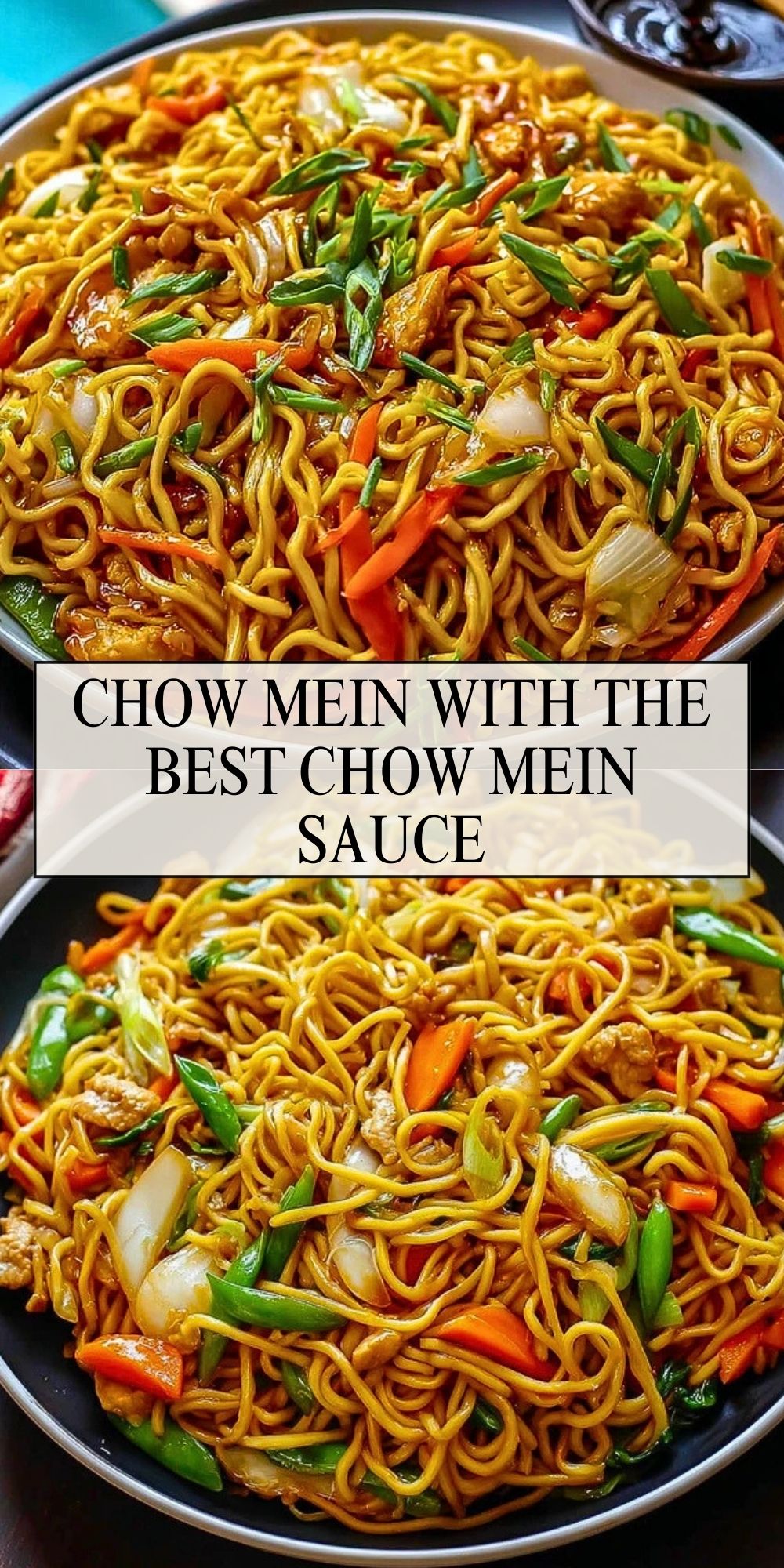
Chow Mein with the Best Chow Mein Sauce
- Total Time: 25 minutes
- Yield: 4 servings
Description
This Chow Mein recipe is tossed in a glossy, savory sauce and packed with crisp vegetables and optional protein. It’s the perfect quick dinner that delivers the cozy satisfaction of takeout—with better flavor and freshness.
Ingredients
8 oz chow mein noodles
1 cup shredded cabbage
1 cup julienned carrots
1 cup snow peas
4 green onions, chopped
2 cloves garlic, minced
3 tablespoons soy sauce
2 tablespoons oyster sauce
1 tablespoon sesame oil
1 teaspoon sugar
1 cup cooked chicken or tofu (optional)
2 tablespoons vegetable oil
Instructions
1. Slice all vegetables and optional protein; set aside.
2. Cook chow mein noodles according to package directions. Drain, rinse under cold water, and toss with a little oil.
3. In a small bowl, whisk together soy sauce, oyster sauce, sesame oil, and sugar.
4. Heat oil in a skillet or wok. Cook chicken or tofu until browned and cooked through. Remove and set aside.
5. Add more oil if needed. Sauté garlic for 30 seconds, then add carrots, snow peas, and cabbage. Stir-fry for 2–3 minutes.
6. Return noodles and protein to the pan. Pour in the sauce and stir-fry for 2 more minutes until everything is well coated.
7. Sprinkle green onions, toss one last time, and serve hot.
Notes
Prep all ingredients before starting—stir-frying goes quickly.
Use cold rinsed noodles to prevent sticking and sogginess.
Customize veggies based on what’s in season or your fridge.
- Prep Time: 15 minutes
- Cook Time: 10 minutes
- Category: Main Dish
- Method: Stir-Fry
- Cuisine: Asian
Nutrition
- Serving Size: 1 plate
- Calories: 370
- Sugar: 6g
- Sodium: 830mg
- Fat: 12g
- Saturated Fat: 2g
- Unsaturated Fat: 9g
- Trans Fat: 0g
- Carbohydrates: 52g
- Fiber: 5g
- Protein: 14g
- Cholesterol: 25mg